The short answer: stretching and shrinking are different processes
For fresh produce presented in trays, stretch film is the relevant starting point when the pack is made by drawing film over the product and securing it beneath the tray. Shrink film is relevant when the chosen pack requires a film enclosure that contracts under applied heat. Decide between these processes from the pack format and the product’s response to the complete wrapping process, not from the appearance of the film roll. Dingfeng’s listed stretch-film wrapper is not a shrink tunnel.
Both methods can make a close-fitting overwrap, but they reach that result differently. The table distinguishes film tension, heat shrinking and the information needed for selection. It is a process comparison, not a claim that either method automatically extends freshness or provides a sealed atmosphere.
| Check | Stretch-film wrapping | Shrink-film wrapping |
|---|---|---|
| Function | Stretch film over the product and secure it beneath the tray. | Enclose the pack in film, then apply heat to shrink it. |
| Consumable | Stretch film matched to the tray-wrapping machine. | Shrink film matched to the enclosing and heating equipment. |
| Pack format | Products supported in trays. | Film-enclosed packs suitable for the chosen heat process. |
| Heat stage | Film tension makes the wrap; confirm the machine’s securing method. | A shrinking stage is part of the process. |
| Confirm with the buyer | Tray dimensions, filled height, product stability and film specification. | Pack construction, product response to heat, labels and film specification. |
Stretch film: a tray supports the product
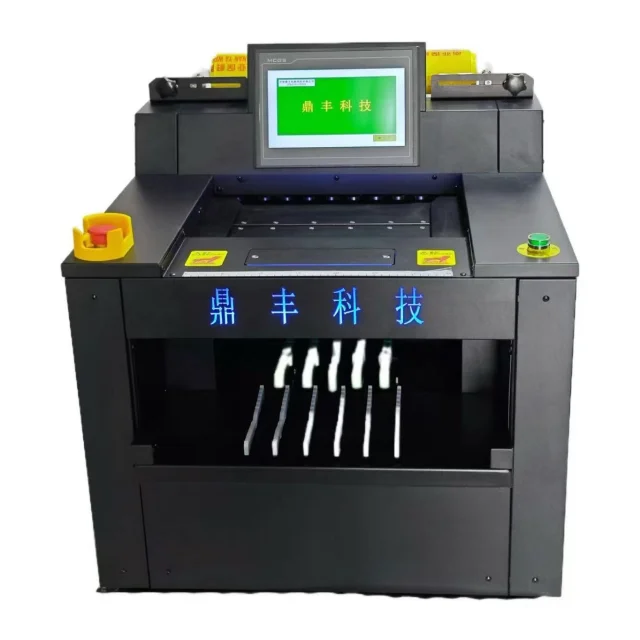
In tray stretch wrapping, the tray carries the product while film is stretched over it and secured underneath. The support provided by the tray and the amount of product standing above its rim affect how the pack is presented. Supermarket fresh counters, central kitchens and produce packhouses are stated applications for Dingfeng’s stretch-film machine.
Review the tray outline, filled height and product stability together. A soft product, an uneven stack and a firm item may respond differently to film tension. The film also has to be suitable for the intended food contact and the machine. Confirm the film specification with the supplier instead of treating every transparent roll as a compatible wrapping material.
Shrink film: an enclosure followed by a heat stage
Shrink wrapping uses film intended to contract when heat is applied. The pack enclosure and the shrinking stage must be selected together. A chamber or tunnel may provide that stage, depending on the equipment. A close fit after heating does not establish whether a particular fresh product, tray or label is suitable for the process.
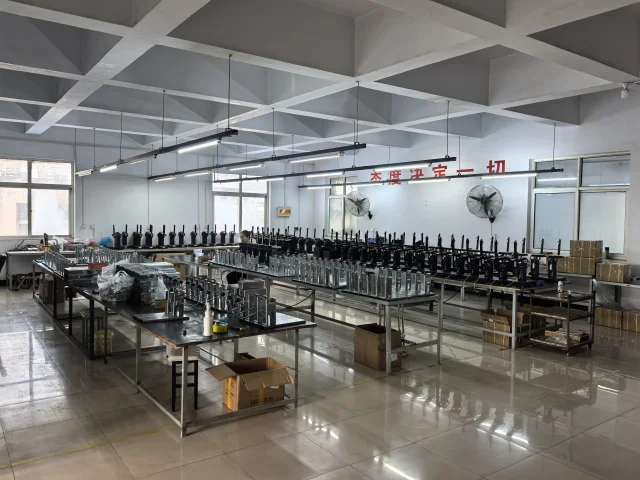
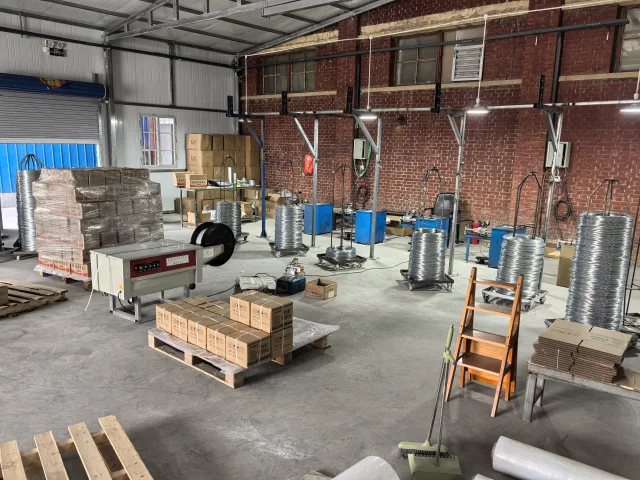
Review the complete sample pack, including the support, product and label. Confirm how each responds to the intended heat exposure and what finished appearance is acceptable. No shrink machine is shown in this guide: the photographs are existing Dingfeng stretch-wrapping equipment and related factory material, clearly identified below each image.
Choose the pack, then confirm the equipment
Use the finished-pack requirement as the decision point. If the task is a tray overwrap held by stretch film, review the stretch-wrapper route. If the specification requires heat shrinking, assess a shrink-film process and its heat stage. A pillow pack, a lidded tray and a stretch-wrapped tray are separate formats; changing the film alone does not convert one into another.
Before selecting equipment, list the tray or bag format, filled dimensions, product condition, film specification and available working area. Compare sample packs against presentation and handling requirements rather than assuming shelf-life or output figures. For Dingfeng’s tray-wrapping configuration, send these details with an optional photograph at the end of your inquiry. We usually reply within 12 hours.